Kaizad Hansotia
Indian-American entrepreneur, founder of Gurkha Cigars
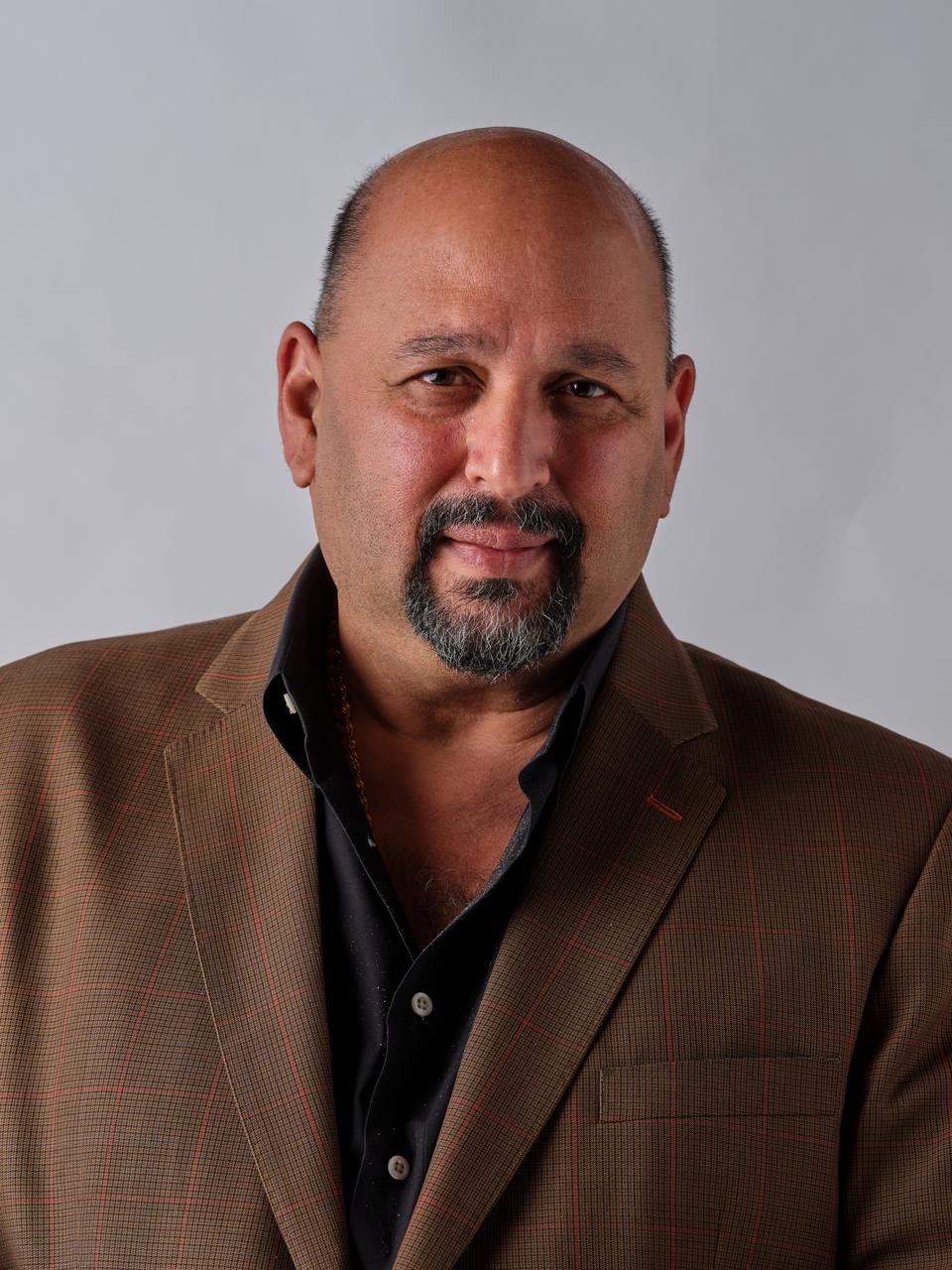
| Personal details | |
| Born | c. 1967 (age ~52 in 2019) Mumbai, Maharashtra, India |
|---|---|
| Nationality | Indian-American |
| Community | Parsi (Zoroastrian) |
| Spouse | Katya Hansotia |
| Residences | Mumbai · Hong Kong · London · Miami, Florida |
| Career | |
| Occupation | Entrepreneur; cigar manufacturer |
| Known for | Founder of Gurkha Cigars; pioneering the ultra-premium cigar category |
| Earlier career | Luxury watch import-export business |
| Company | Gurkha Cigar Group |
| Title | Founder; Chairman & CMO |
Kaizad Hansotia (also credited on cigar bands as K. Hansotia) is an India-born, Parsi-Zoroastrian entrepreneur best known as the founder and longtime chairman and chief executive of Gurkha Cigars, the luxury cigar company widely described as the "Rolls-Royce of cigars." Born and raised in Mumbai and later based across Hong Kong, London and Miami, he built Gurkha from a chance vacation purchase into one of the world's most recognisable ultra-premium cigar brands.
Originally working in his family's luxury watch business, Hansotia acquired the dormant, century-old Gurkha brand while on holiday in Goa in the late 1980s, initially intending to use the cigars as corporate gifts for watch clients. Recognising an untapped market for super-premium cigars, he relaunched the label and is credited with effectively creating the ultra-premium cigar category, including some of the most expensive cigars ever sold.
Early life and background
Hansotia was born and raised in Mumbai into a Parsi (Zoroastrian) family. He has described himself as a lifelong traveller with a taste for luxury goods, an outlook shaped by his family's involvement in the high-end watch trade. Before entering the cigar business he ran a luxury watch import-export operation, work that took him from India to Hong Kong, then London, and eventually to Miami, Florida, which became his long-term base. Despite living abroad, he has spoken of a continuing attachment to Mumbai, which he has said he tries to visit each year.
Founding of Gurkha Cigars
The origins of Gurkha Cigars trace to a vacation in Goa in the late 1980s — sources variously cite 1988 or 1989. According to Hansotia's own account, he encountered a vendor selling cigars under the old, dormant "Gurkha" brand and bought the entire stock along with the company name. Reported purchase prices differ between accounts, ranging from around $143 to $149 to $450 for the label.
The Gurkha name itself dates to British colonial India and references the Nepalese Gurkha soldiers whose courage was celebrated by British troops; the brand had existed more than a century earlier before falling dormant. Hansotia initially intended to use the cigars as corporate gifts for clients of his watch business. After duty-free retailers who received them began asking for more, he recognised a commercial opportunity and decided to relaunch the brand in earnest.
Building the ultra-premium category
With little prior knowledge of the tobacco industry, Hansotia studied the market and concluded that no one was serving a genuinely upscale segment — at the time, premium cigars such as Davidoff sold for around $8. He set out to create what he called a "super-premium" or ultra-premium product. To produce his first cigars he turned to established makers, including Charlie Torano of Torano Cigars, who rolled Gurkha's earliest production.
When Gurkha debuted in duty-free markets around 1990, the cigars were offered in sizes such as Churchill, Toro and Torpedo, encased individually in glass tubes, and priced at an unheard-of $14 to $17 each. The first run sold out. The company began with just two employees — Hansotia and his wife, Katya — working out of a small office within his father's business, with Hansotia handling product, packaging, sales and marketing while Katya ran the back office.
Hansotia personally directed the brand's distinctive, ornate packaging and artwork, treating presentation as central to the product's appeal. Over time Gurkha grew from a small Miami free-zone warehouse to a large facility in Tamarac, Florida, expanding to more than 100 blends and a presence in dozens of countries.
Notable products
Gurkha became known for headline-grabbing luxury releases. Its flagship Grand Reserve, infused with cognac, sold for around $12 each when introduced in the early 1990s. The brand's His Majesty's Reserve (HMR) — pairing aged tobacco with Louis XIII cognac — became one of the most expensive cigars ever made, with reported box prices ranging into the tens of thousands of dollars. Later ultra-luxury and collector releases, such as the Black Dragon and the much-publicised Royal Courtesan, were promoted at extraordinary prices and reinforced Gurkha's image as a status symbol.
The brand cultivated a high-profile clientele over the years, with Hansotia citing customers among business leaders, celebrities and public figures, and Gurkha pursuing associations with U.S. special-operations military communities through limited-edition releases.
Legacy
Hansotia is widely credited with creating and popularising the ultra-premium cigar category and with introducing a level of marketing showmanship, elaborate packaging and rare-tobacco blending that reshaped expectations in the luxury cigar market. Regardless of the controversy surrounding his 2020 departure, his role in transforming a forgotten colonial-era label into a globally recognised luxury brand is generally acknowledged within the industry.